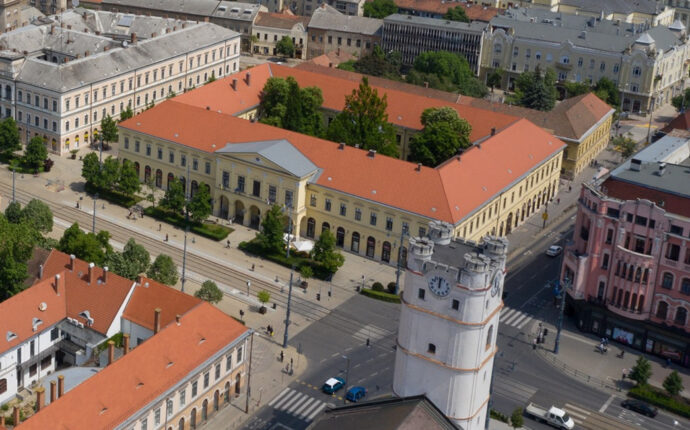
The Old Town Hall (Régi Városháza) building is one of the most characteristic of the classicist architecture in Debrecen today. The site was originally bought by the city in 1531 from Judge András Tar and the first Town Hall was built upon it.
The Old Town Hall (Régi Városháza) building is one of the most characteristic of the classicist architecture in Debrecen today. The site was originally bought by the city in 1531 from Judge András Tar and the first Town Hall was built upon it.
The building became one of the most important places in the city, a place where the top magistrates and the Chief Justice decided about matters of life and death. Regardless of the activities taking place there, the town hall and its operation have been characterized by frugality for centuries.
Even though the city was wealthy thanks to the income from trade and agriculture, the town hall and its operation were characterized by frugality for centuries and little was spent on “ordinary” (city-owned) houses and modernization, that is, up until the 19th century.
(more…)
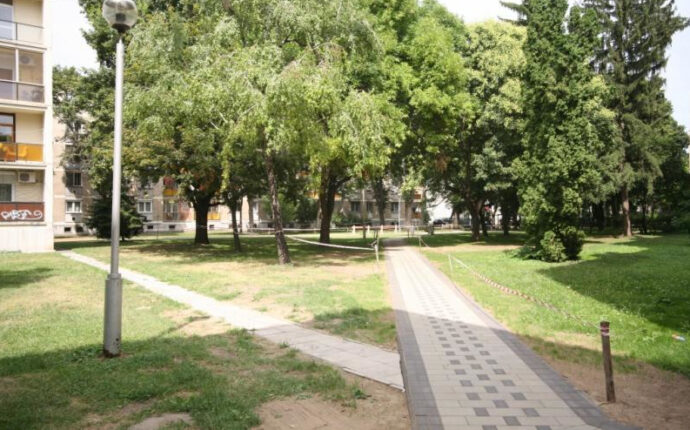
Panel blocks and panel apartments have quite a history in Hungary, and it tends to be a love/hate relationship. Most panel blocks were constructed during the reconstruction efforts after the second world war (1950’s and 1960’s.) Hungary has nearly 788 thousand flats in panel buildings, one-fifth of the population live in them, including most of
Panel blocks and panel apartments have quite a history in Hungary, and it tends to be a love/hate relationship. Most panel blocks were constructed during the reconstruction efforts after the second world war (1950’s and 1960’s.)
Hungary has nearly 788 thousand flats in panel buildings, one-fifth of the population live in them, including most of the population of Debrecen.
The panel blocks in Hungary and in particular Debrecen are lovingly cared for despite their limitations and problems, they are known for their durability, and have a better build quality than most in Europe. In addition, they were well situated among parks with trees with private play areas for children.
(more…)
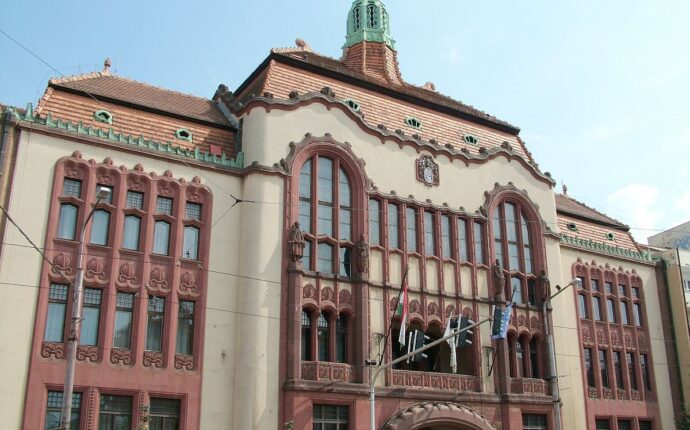
The County Hall of Hajdú-Bihar County is located in Debrecen, at number 54 Piac Street. It is considered one of the most impressive Hungarian Art Nouveau buildings.
The County Hall of Hajdú-Bihar County is located in Debrecen, at number 54 Piac Street. It is considered one of the most beautiful Hungarian Art Nouveau buildings.
The first guesthouse of Debrecen, Fejérló Szálló once stood on the plot and it had many famous guests since its opening in 1688), including Joseph II, the Holy Roman Emperor in 1770. The hotel was also famous for its performances that were held in the courtyard. The Miklós Wesselényi National Theater gave its first official performance in Hungarian here on 11th August 1798. After Cluj-Napoca, the theater piece “Hamlet” was played here in Hungarian. The fire of 1811 ended the performances.
(more…)

In mid-February 1952, MAFILM began filming a feature film about Erkel’s life and his visit to Debrecen. The recordings made during the filming can be viewed on the website of the Déri Museum.
In mid-February 1952, MAFILM began filming a feature film about Erkel’s life and his visit to Debrecen. The recordings made during the filming can be viewed on the website of the Déri Museum.
Between 18 and 21 September 1868, the 4th National Song Festival was held in Debrecen Debrecen became the center of the music world and attracted many singers and conductors for a few days.
(more…)

In Hungary, a palace might not be what you might imagine. At the beginning of the 20th century, buildings that were large and two-story houses were referred to as “palaces”, and so it is probably for this reason why the building was named as a “palace”. The reality is that Bishop’s palace is was actually a high-end apartment building.
On one corner of Kossuth Square, the street Hatvan Utca (translates to 60 street) begins. The street was unimaginatively named after the fact that the road provided access to 60 new plots, – thirty plots were measured on each side of the road for building new houses in the 15th century. Today, still located at the beginning of the road, on the No.1 plot is situated the church tenement house known as Bishop’s Palace.
In Hungary, a palace might not be what you might imagine. At the beginning of the 20th century, buildings that were large and two-story houses were referred to as “palaces”, and so it is probably for this reason why the building was named as a “palace”. The reality is that Bishop’s palace is was actually a high-end apartment building.
(more…)

In Debrecen’s history three gardens really stand out as important. The College Herb garden, the memorial garden and last but not least, the “cemetery garden”.
Herb Garden (Füvészkert)
Debrecen has a tradition of science education and botany. The legacy of botany began with the work of Sámuel Diószegi and Mihály Fazekas, the co-authors of the famous ”Hungarian Herb Book” (1807), and the work carried out in the first Herb Garden (Füvészkert).
The garden was completed in 1840 on the site of today’s Déri Museum and was under the supervision of the Reformed College and served for the purpose of science education. In the meantime, the university was established in the College and then its location moved to Great Forest when its impressive building was completed. With this move, the herb garden of the College lost its purpose and the site was repurposed when the Déri Museum was built.
(more…)

It is astonishing that some places have completely disappeared, such as the Royal Hotel and the Margaret Bath, and others have undergone massive changes, such as the Dósa (formerly Dégenfeld) square and Hal köz.
It is astonishing that some places have completely disappeared, such as the Royal Hotel and the Margaret Bath, and others have undergone massive changes, such as the Dósa (formerly Dégenfeld) square and Hal köz.
Today’s Petőfi Square was called the Népkert (People’s Garden) around 100 years ago. The Royal Hotel shone on the old Deák Ferenc Street, on the northern edge of today’s Petőfi Square from 1907 to the airstrikes in 1944. This lavish building had electric lighting, bath, and central steam heating. Its foundations still lie in the ground and were seen in the lastest landscaping.
(more…)
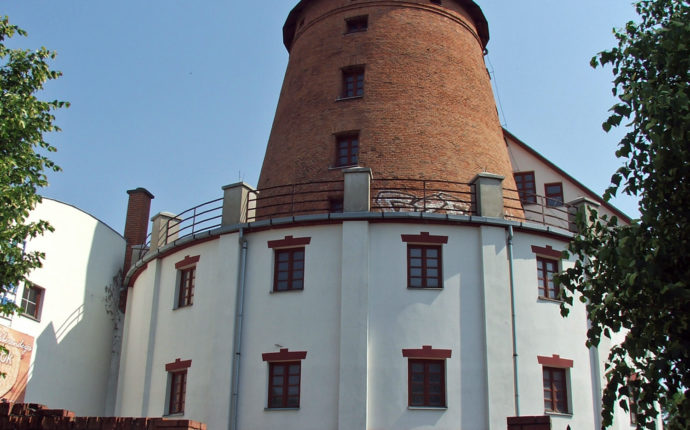
The widespread use of windmills in Hungary dates back to the second half of the 19th century. According to statistics, there were already 476 windmills in the country by 1863. At the same time, the number of steam mills was increasing in popularity.
The widespread use of windmills in Hungary dates back to the second half of the 19th century. According to statistics, there were 476 windmills in the country by 1863. At the same time, the number of steam mills was increasing in popularity.
Steam mills were far more productive because they were not reliant upon the wind, however, they were more expensive to run and so, the number of windmills first increased then started to decrease. In 1880, there were still more windmills than steam mills due to the lack of economic progress.
Most of the windmills were set up in the Great Plain including towns as Szeged, Kiskunfélegyháza, Debrecen, and Hódmezővásárhely.
(more…)

Stuck at home with nothing to do at home during the Coronavirus lockdown? Why not choose a movie to watch, but not just any movie, choose one with a purpose besides just entertainment. Choose a Hungarian film, for a better understanding of the Hungarian psyche, – there are many movies to choose from, – subtitled
Stuck at home with nothing to do at home during the Coronavirus lockdown? Why not choose a movie to watch, but not just any movie, choose one with a purpose besides just entertainment. Choose a Hungarian film, for a better understanding of the Hungarian psyche, – there are many movies to choose from, – subtitled in English.
Hungarian filmmakers have a long and illustrious history internationally, with many an influential director originating here to become famous internationally. In fact, Americans with Hungarian roots were in large part behind the creation of Hollywood. Consider both Adolph Zukor (founder of Paramount Pictures) and William Fox (founder of Fox – now 20th Centuries Fox) had Hungarian roots.
(more…)
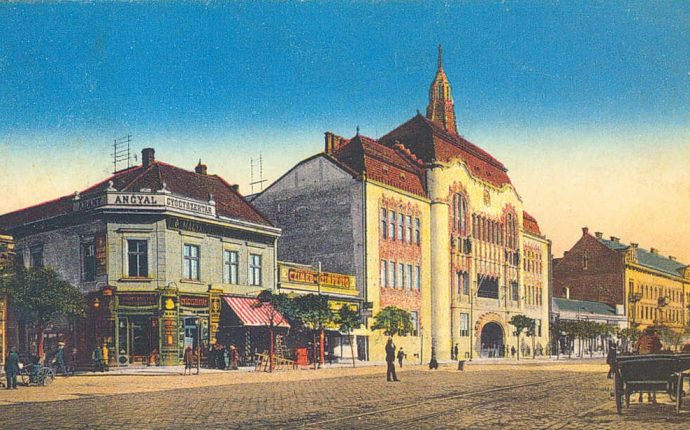
The coronavirus is not the first epidemic or even pandemic in the history of Debrecen, but the city has always been in a privileged position in terms of healthcare (relatively speaking).
The coronavirus is not the first epidemic or even pandemic in the history of Debrecen, but the city has always been in a privileged position in terms of healthcare (relatively speaking).
By 1583 there was a surgeon’s and barber’s guild in Debrecen, where Latin-speaking students of lower grades of the College worked and traded with medicines.
In 1709, nine masters worked in Debrecen. Famously, the father of the famous Hungarian poet and a leading figure in the Hungarian literary revival of the Enlightenment, Mihály Csokonai Vitéz, was a barber and surgeon but did not receive membership of the guild.
(more…)

In recent times the wealthy citizens of Debrecen have not benefited from the elite status of aristocrats, but in the past they did, and they followed the classical practices in the design of the luxury houses. Just as in Rome, houses that are used for holiday or permanent residences.
In recent times the wealthy citizens of Debrecen have not benefited from the elite status of aristocrats, but in the past they did, and they followed the classical practices in the design of the luxury houses. Just as in Rome, houses that are used for holiday or permanent residences, – outside of the city were called just “Villas” and those built on estates belonging to the category ‘Villa Rustica’, while those built for entertainment were ‘Villa Urbana”.
The Great Forest had become a popular place to walk by the end of the 18th century. Neither water nor wooded parks were in the city center at the time and so, to get relief from the dusty dry heat. The clean, cool, forest air between the trees offered great relief. In 1794, the city leaders considered it dangerous and unnecessary to park in the part of the Great Forest facing the city, let alone build an “ordinary” entertainment place in it. The rigid attitude changed radically by the 1820s. The sparsely forested south side was opened to walkers in an attempt to keep them away from the forested area.
(more…)
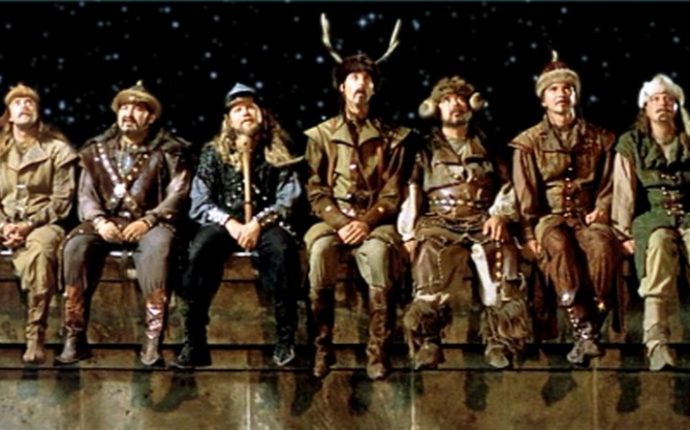
The movie entitled “Hungarian Wanderer” is a fictional comedy by the film director Gábor Herendi. The story is a Hungarian favorite telling the story about the seven Hungarian leaders of the invasion of the Carpathian Basin.
The movie entitled “Hungarian Wanderer” is a fictional comedy by the film director Gábor Herendi. The story is a Hungarian favorite telling the story about the seven Hungarian leaders of the invasion of the Carpathian Basin.
The story begins as the seven leaders wake up to find that the Hungarians armies have already left without them. They are forced to follow them and on arrival find that, not only their new homeland but their people as well. During their wanderings, they experience comic and tragicomic episodes of Hungarian history in forests and castles, inns and hotels, while fighting the Tartars, harem ladies, the Kurucs and the English footballers.
(more…)

Today, April 16th marks the Day of Remembrance for the Hungarian Victims of the Holocaust. On this day in 1944 the Hungarian Holocaust began with the systematic sending of Hungarian Jews to the ghettos by the German occupation.
April 16th
marks the Day of Remembrance for the Hungarian Victims of the Holocaust. On
this day in 1944 the Hungarian Holocaust began with the systematic sending of Hungarian
Jews to the ghettos by the German occupation.
Ever since
the arrival of Jewish merchants in Debrecen during the 1780s the community grew
and settled, to such an extent that it was officially recognised in 1852. Along with settlement and official status
came the development of synagogues, Jewish schools along with a hospital and
social welfare institutions.
(more…)

The local history exhibitions of the Péter Méliusz Juhász Library present the history of Debrecen over the last hundred years in a series of exhibitions. Due to the Coronavirus, the exhibitions can be viewed virtually only on the library’s website.
The local history exhibitions of the Péter Méliusz Juhász Library present the history of Debrecen over the last hundred years in a series of exhibitions. Due to the Coronavirus, the exhibitions can be viewed virtually only on the library’s website.
The exhibitions are organized as by The Méliusz Library within the framework of the TOP-6.9.2 Local Community Development in Debrecen 1/2/3 district.
The aim of the tender is to strengthen the local identity, help the establishment of the communities operating in the city district and to support their operation. The material of the exhibitions is selected from the documentary library of the local history collection and from the photos offered by the residents. Its goal is to get residents involved in the community life of their own part of the city.
(more…)


